
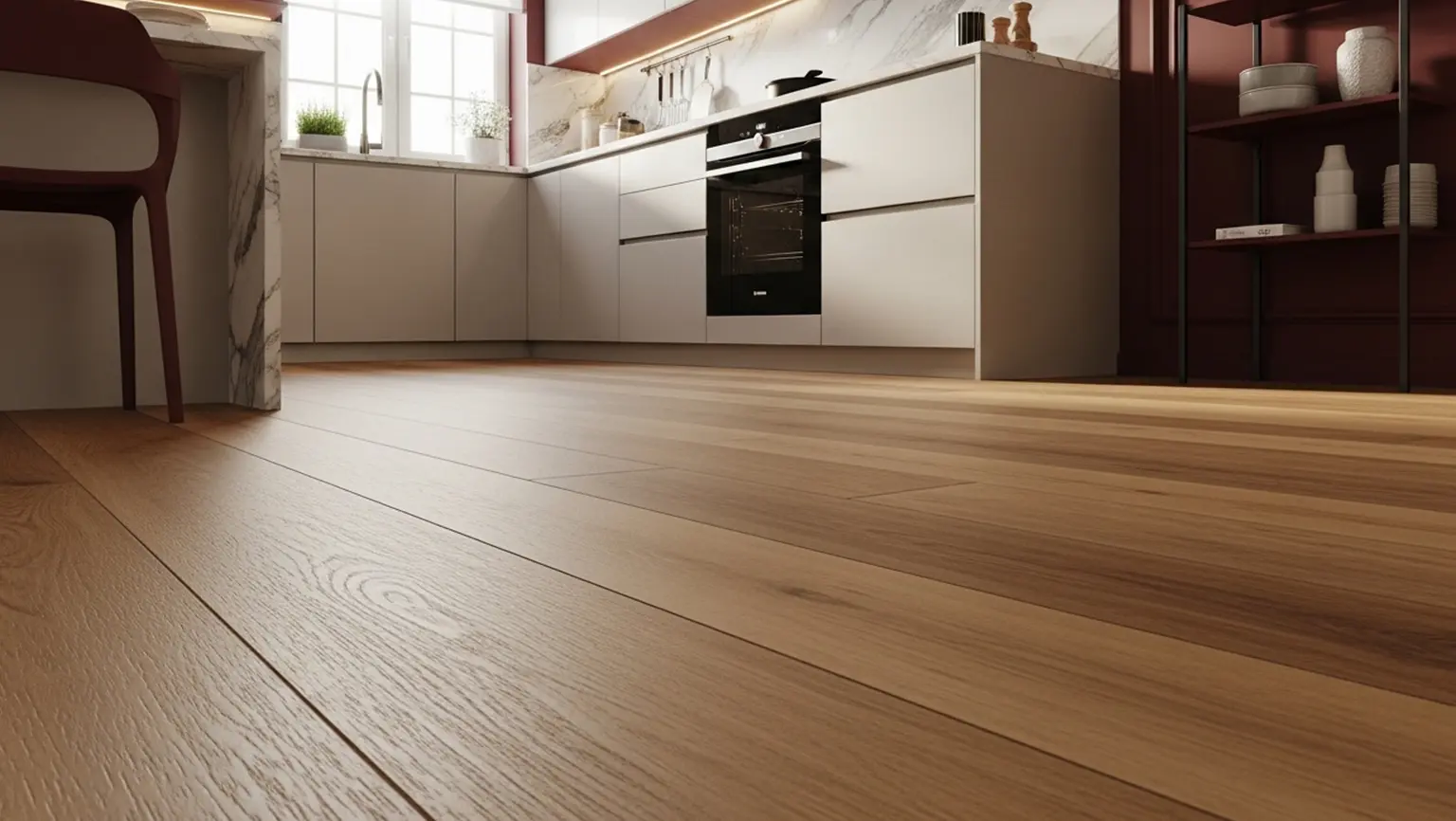
HDF flooring is considered a popular choice due to its attractive appearance and affordable price. However, some users experience regret after a period of use. This is often due to a misunderstanding of the nature and limitations of this type of flooring.
- Use in Unsuitable Environments
One of the main reasons for regret is using HDF flooring in areas with high humidity levels, such as kitchens or spaces near water sources. This can lead to damage over time.
- Unrealistic Performance Expectations
Some people assume that HDF flooring can withstand the same harsh conditions as other types, such as SPC. This misconception often leads to disappointment when signs of wear and damage begin to appear.
- Poor Installation
This type of flooring requires precise installation. Any mistakes during the process can be clearly visible and negatively impact the overall appearance.
- Lack of Proper Maintenance
Failing to follow proper maintenance practices—such as avoiding excess water or using unsuitable cleaning products—can accelerate the deterioration of the flooring.
When Is HDF a Suitable Choice?
HDF flooring is ideal for dry areas with moderate use, such as bedrooms. It is especially suitable for those seeking a warm appearance at a reasonable cost.
Conclusion
HDF flooring is not a bad option; however, it requires proper and informed use that aligns with its characteristics in order to perform efficiently and last longer.
 EN
EN  AR
AR